
Digital visibility is changing the human face. Biography is turning into an optimised surface shaped by global image culture.
For a long time, faces were not design objects. You could see age in them, exhaustion, disappointment, but also joy. Faces carried biography without asking for attention. That was precisely what made them convincing. Wrinkles were not considered flaws. They were the visible surface of lived time.
That logic is beginning to collapse. The contemporary face is no longer expected to age naturally, but to survive digitally. It is aimed less and less at other people and increasingly at displays, cameras and platforms. Visible ageing now appears almost like a rendering error. Faces are no longer simply perceived. They are adjusted.
The Face as Interface
This is where the cultural shift begins. Beauty has always been socially constructed. What is new is the technical standardisation of human appearance. Platforms are not interested in beauty. Beauty is too unstable. What they reward is legibility. A face now has to register instantly: on small screens, in poor lighting, between thousands of competing images. The ideal face is therefore not necessarily beautiful anymore. It is compatible.
People once compared themselves to those immediately around them. Today, personal appearance competes with globally circulating ideal images. Increasingly, what matters is whether a face survives the conditions of the screen. People once aged in front of other people. Now they age in front of cameras. That is not the same thing. Cameras remember less generously than humans do, while judging more harshly at the same time. Perhaps that is why so many faces now appear as though not only traces of life, but every form of friction, had been removed from them.
The Body as Format
Plastic surgery now follows this logic as well. Procedures no longer simply correct imperfections. They translate the body into a new aesthetic system. Instagram did not create a new ideal of beauty. It created a face that remains legible without interruption.
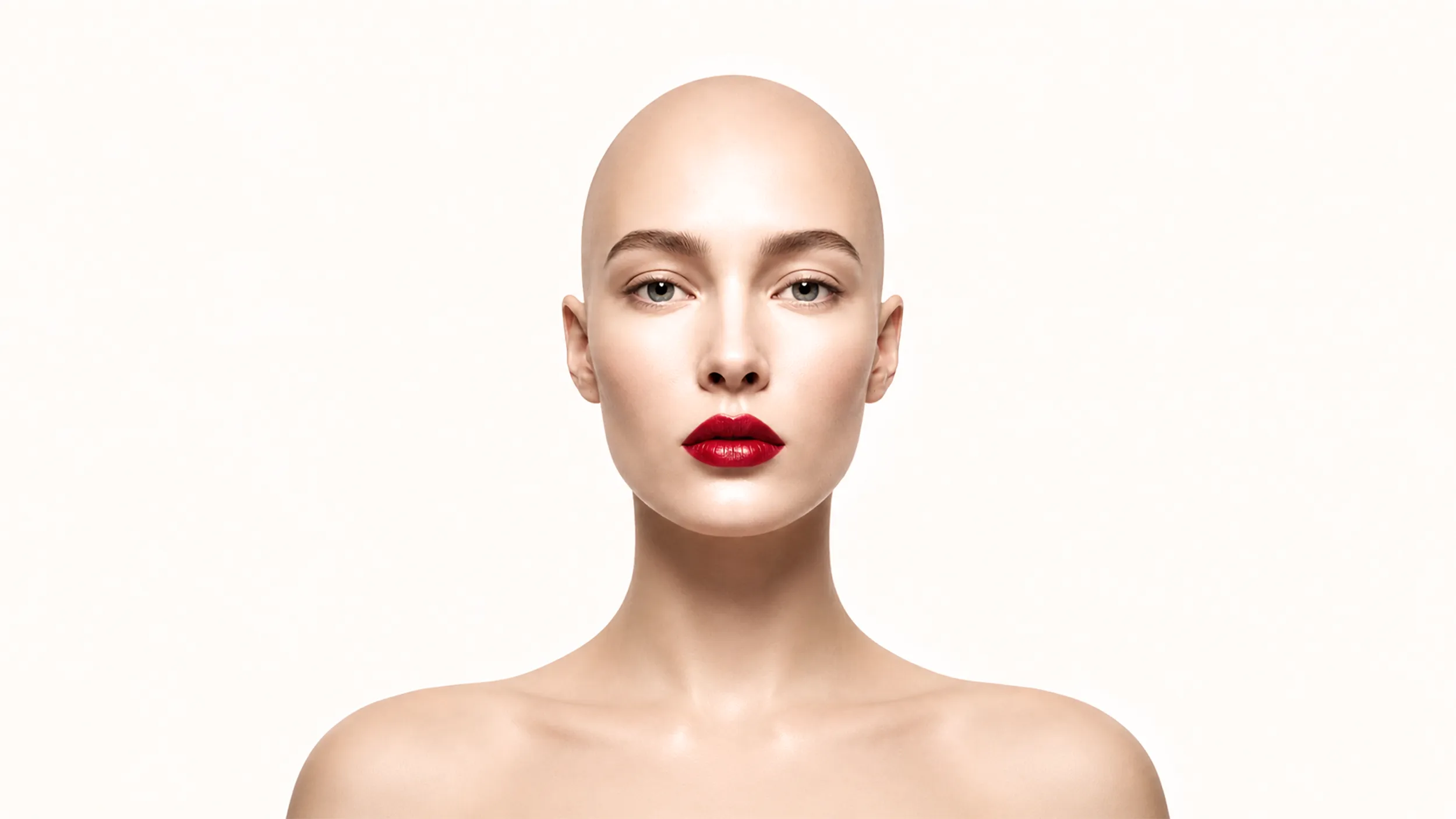
Faces today often no longer look operated on. They look rendered. Yet these faces do not appear artificial in the traditional sense. They appear edited on a biographical level, as though visible traces of lived experience had been carefully removed.
Not every intervention is simply an expression of vanity. More often, it is an adaptation to an environment that tolerates the unprocessed face less and less. Visibility itself has become a form of pressure. Those who remain visibly untouched quickly appear careless.
The Standardisation of the Face
Paradoxically, this optimisation rarely produces stronger individuality. It weakens it. Optimised faces increasingly follow the same logic: they avoid friction. Distinctiveness is not maximised; deviation is reduced. In Seoul, Los Angeles and Dubai, variations of the same face are beginning to emerge.
This is also changing the meaning of ageing itself. Visible ageing was once understood as an unavoidable part of human existence. Today it is increasingly treated as a management issue. Skin texture, volume loss and fatigue are no longer read as biography, but as correctable deviations from an aesthetic norm.
The Logic of Permanent Visibility
The real question is therefore not whether cosmetic surgery is legitimate. The more revealing question is what kind of cultural direction it points towards. Platforms such as Instagram and TikTok have already created a reality in which human appearance is permanently evaluated and technically curated. The metaverse may have failed as a product. Its logic has not.
It is no longer time that leaves its mark on faces, but the demands of digital visibility. Perfect faces therefore rarely appear artificial anymore. They appear biographically empty. Flawless to the point of meaninglessness.