
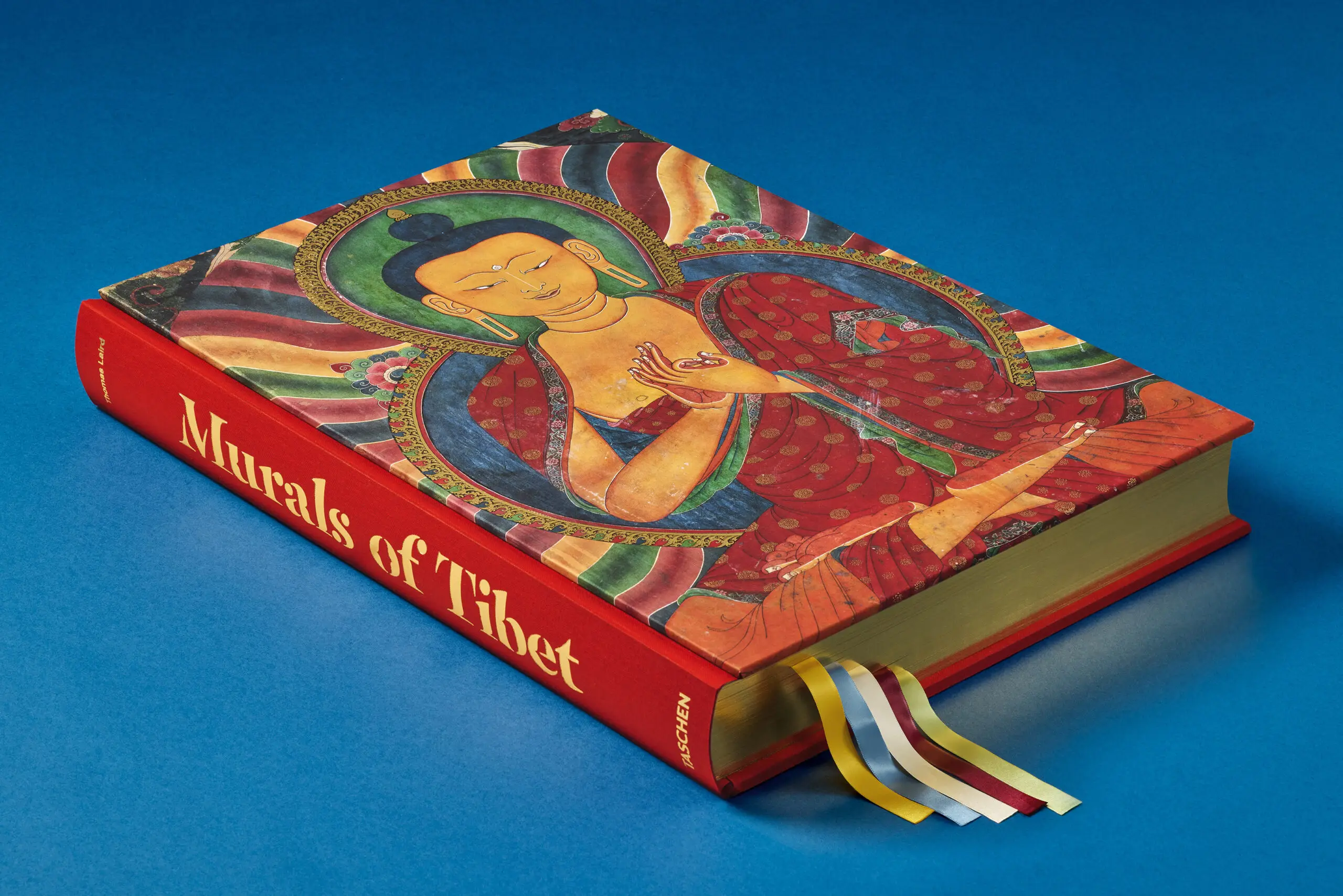

Using digital multi-image photography, Thomas Laird brings Tibetan murals into remarkably sharp focus. TASCHEN’s BABY SUMO edition of Murals of Tibet pairs his photographs with an extensive companion volume. Together, they show what photographic documentation can achieve and where the limits of an image archive lie.
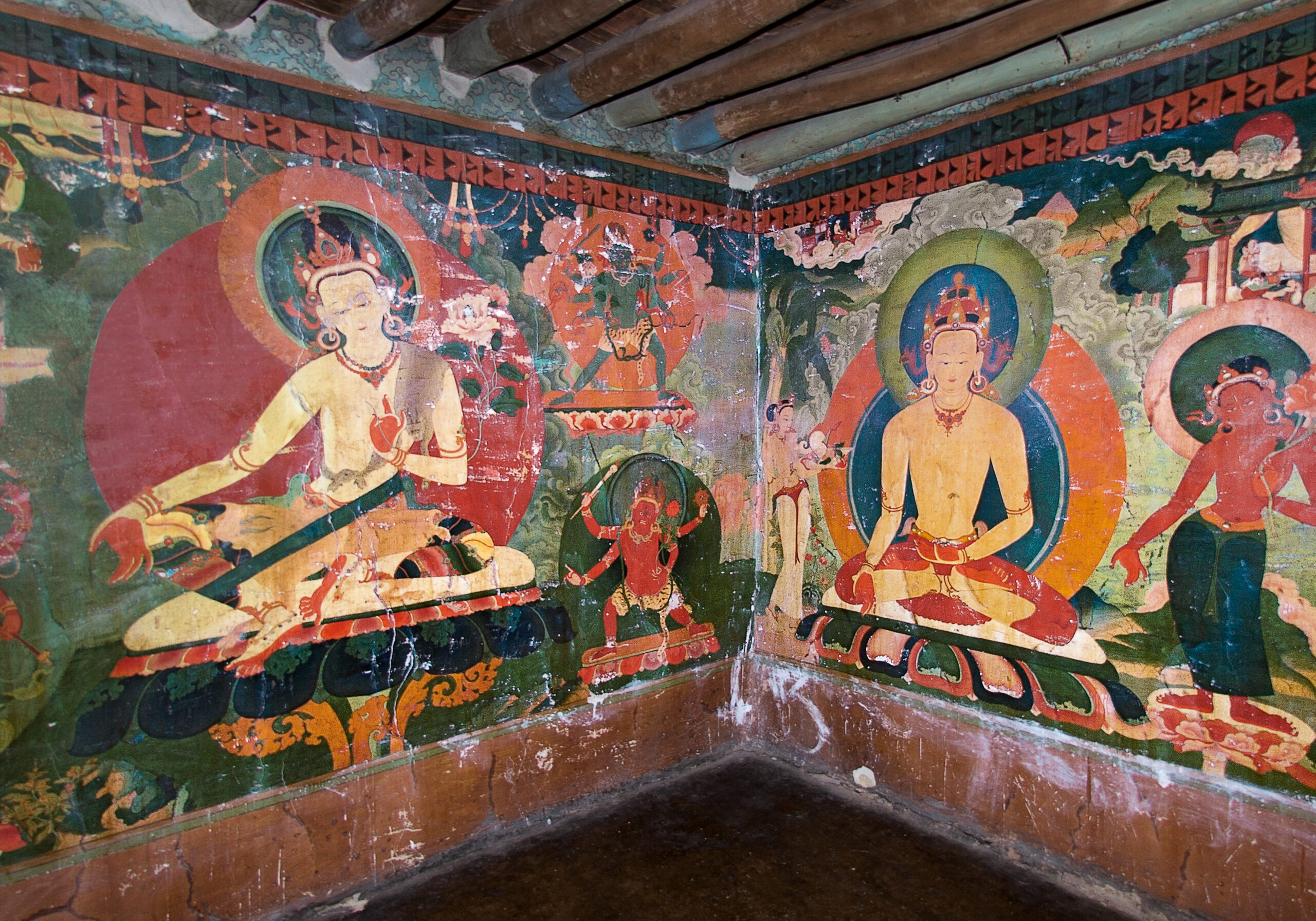
Fine cracks run across a painted face at Drathang. The eyes are lowered, and the robes are painted in shades of red and gold. Nearby, parts of the surface have worn away. Laird’s photographs reveal both the precision of the painting and the fragility of the wall that carries it. The close-up makes a picture in its own right out of a single detail, while reminding us that the work exists on an ageing wall. That tension is part of the appeal of Murals of Tibet.
Laird spent more than a decade documenting Tibetan murals. His work now appears in a BABY SUMO edition from TASCHEN. The 498-page picture book takes readers through temples and monasteries, including Drathang, Samye, the Lukhang in Lhasa and the complexes at Gyantse. A separate, 528-page companion volume explains the figures and scenes depicted in the paintings.
How the photographs are made
© Thomas Laird, 2018
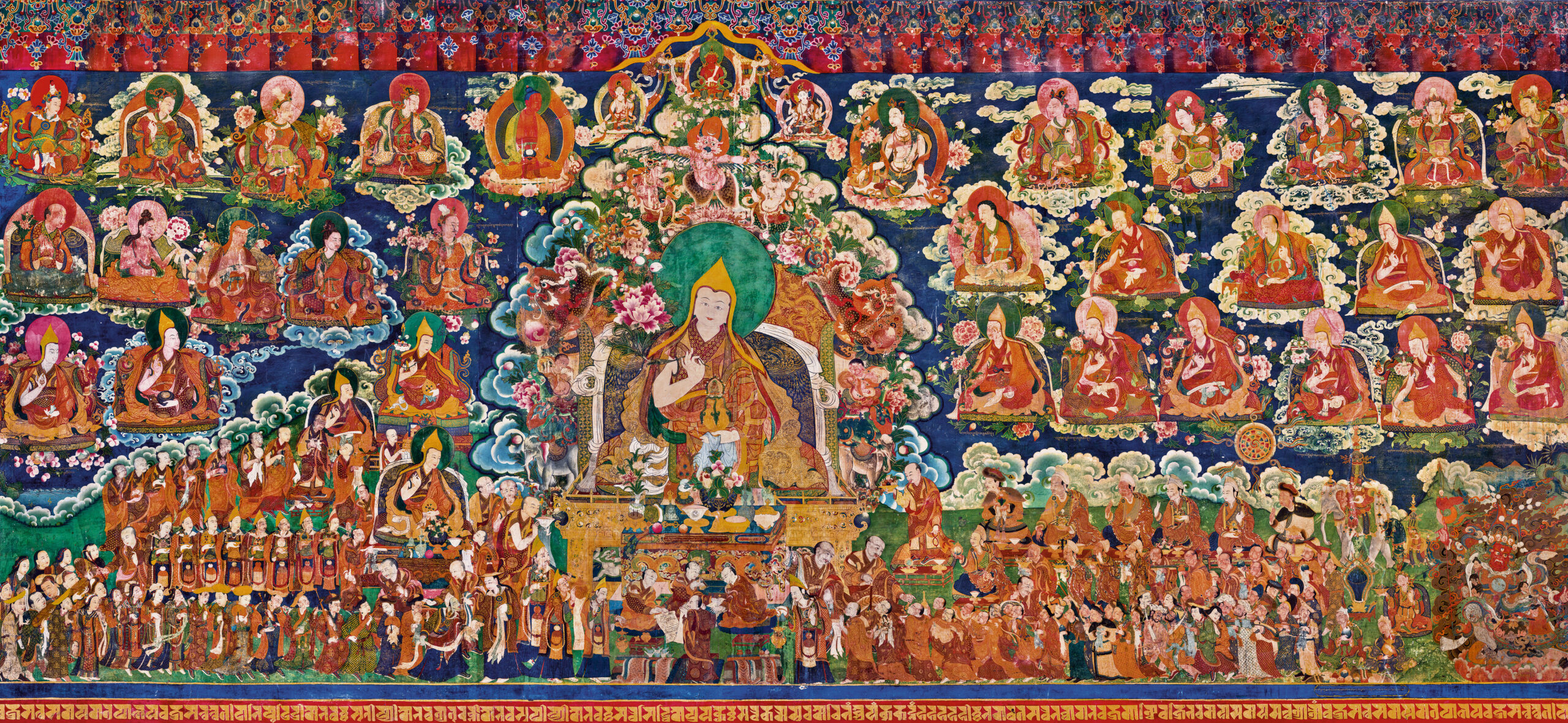
Many of these murals cover entire walls. There is often too little space in front of them for Laird to step back and photograph the whole painting at once, and the available light can be inadequate. He therefore works with numerous individual photographs, digitally assembling them into high-resolution images. In his introduction, he describes how processing a single mural could take weeks or months.
His account of photographing gold makes the difficulty particularly clear. Even a small change in light or viewing angle can make the same gilded area look dark or almost white. By combining photographs, Laird can render the gold in a way that a single exposure could not. The result is a deliberately constructed view: the details that stand out also reflect his decisions during photography and digital editing.
The picture book moves between large compositions and tightly framed details. A face can first be studied on its own before the surrounding figures and ornament bring it back into context. Signs of wear and damage remain visible in the sections of the book examined for this review. They interrupt the apparent wholeness of the painted surfaces and make the murals’ material history visible.
What the companion volume reveals
© Thomas Laird, 2018
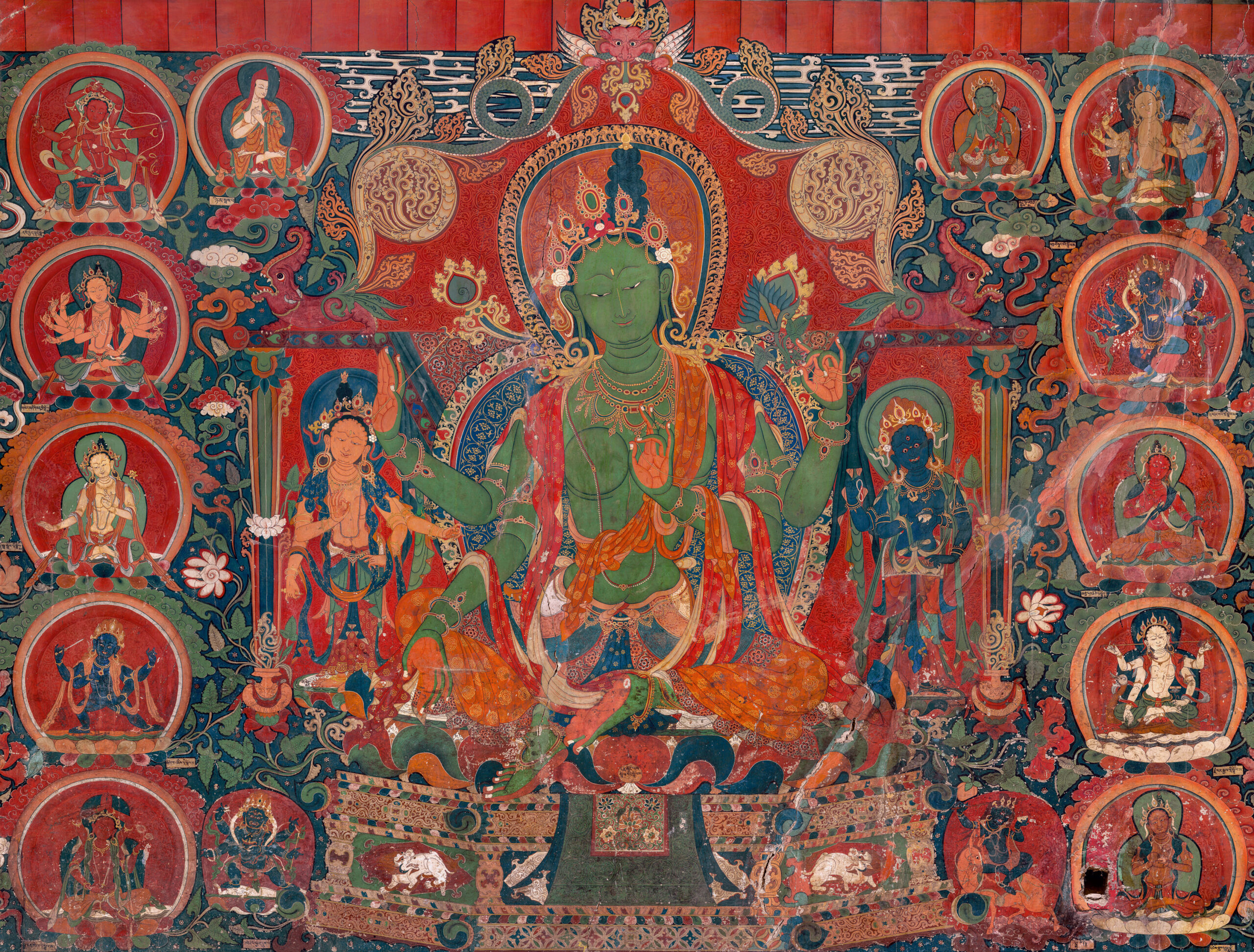
Many of the figures in the murals refer to Buddhist teachings and practices. The companion volume helps readers understand those connections. Robert Thurman opens his contribution with a Tibetan origin story and approaches the art from a Buddhist perspective. Heather Stoddard traces the development of artistic styles. Detailed commentaries by Stoddard and Jakob Winkler help identify what is depicted. They sometimes require patient reading, but reveal meanings that are difficult to draw from the images alone.
Stoddard challenges the idea of Tibetan art as a closed tradition. She examines its connections with India and Nepal, as well as China, while showing how Tibetan artists developed forms of their own and influenced other traditions in turn. Cameron Bailey turns to the making of the murals. He explains how the walls were prepared and the part played by pigments and binders. The painted surfaces emerge as products of workshop knowledge and physical labour.
The limits of preservation
© Thomas Laird, 2018
A photographic record can preserve a visible state and provide a basis for future comparisons. It cannot secure the physical survival of a temple or ensure that religious practices are passed on. Nor can a book fully convey the experience of being in the space. The precision of the reproductions is a strength of the archive, but it does not make that record complete.
Separating the picture book from its companion volume gives the photographs room and allows readers to encounter the murals before being offered an interpretation. In complex scenes, however, the images raise questions that can only be answered with the help of the companion. Closer links between the pictures and their explanations would have made the work easier to approach for readers unfamiliar with Tibetan Buddhist imagery.
Murals of Tibet. BABY SUMO. TASCHEN, 2026. Numbered Collector’s Edition of 9,660 copies, signed by Thomas Laird. Hardcover picture book with 498 pages and six fold-outs (35.8 × 50 cm); illustrated scholarly companion volume with 528 pages (20.5 × 28.6 cm). Presented in a clamshell case; approximately 19 kg in total. €1,000.
