Photo: TASCHEN Verlag

This survey makes the method behind Norman Foster’s architecture legible. It orders a complex body of work with great precision, while leaving little room for contradiction.
The Work as Apparatus
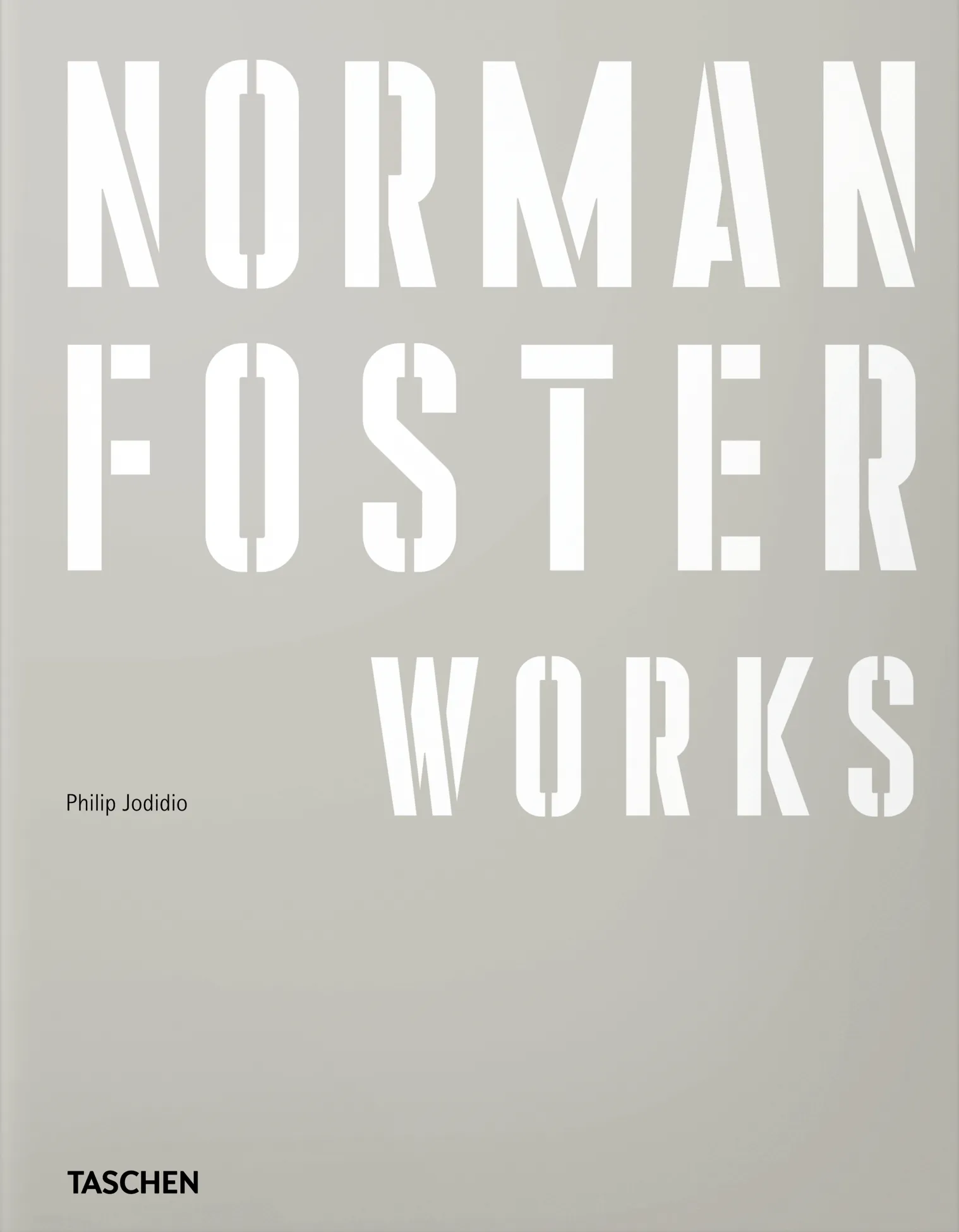
Norman Foster. Works by Philip Jodidio sets out not simply to document a life’s work, but to make its internal logic visible. The sheer scale of the volume already shifts the perspective. This is not about isolated icons, but about an oeuvre composed of early studies, realised buildings and open project trajectories. Foster emerges less as the architect of a particular style than as an organiser of conditions.
The structure follows this logic. Early works such as Creek Vean, Reliance Controls and Willis Faber & Dumas do not appear as preliminary steps towards later fame, but as experimental arrangements for a way of thinking that extends across decades. What begins as a technical interest becomes a method. Architecture arises from use and controlled order. The continuity remains legible without forcing itself to the fore.
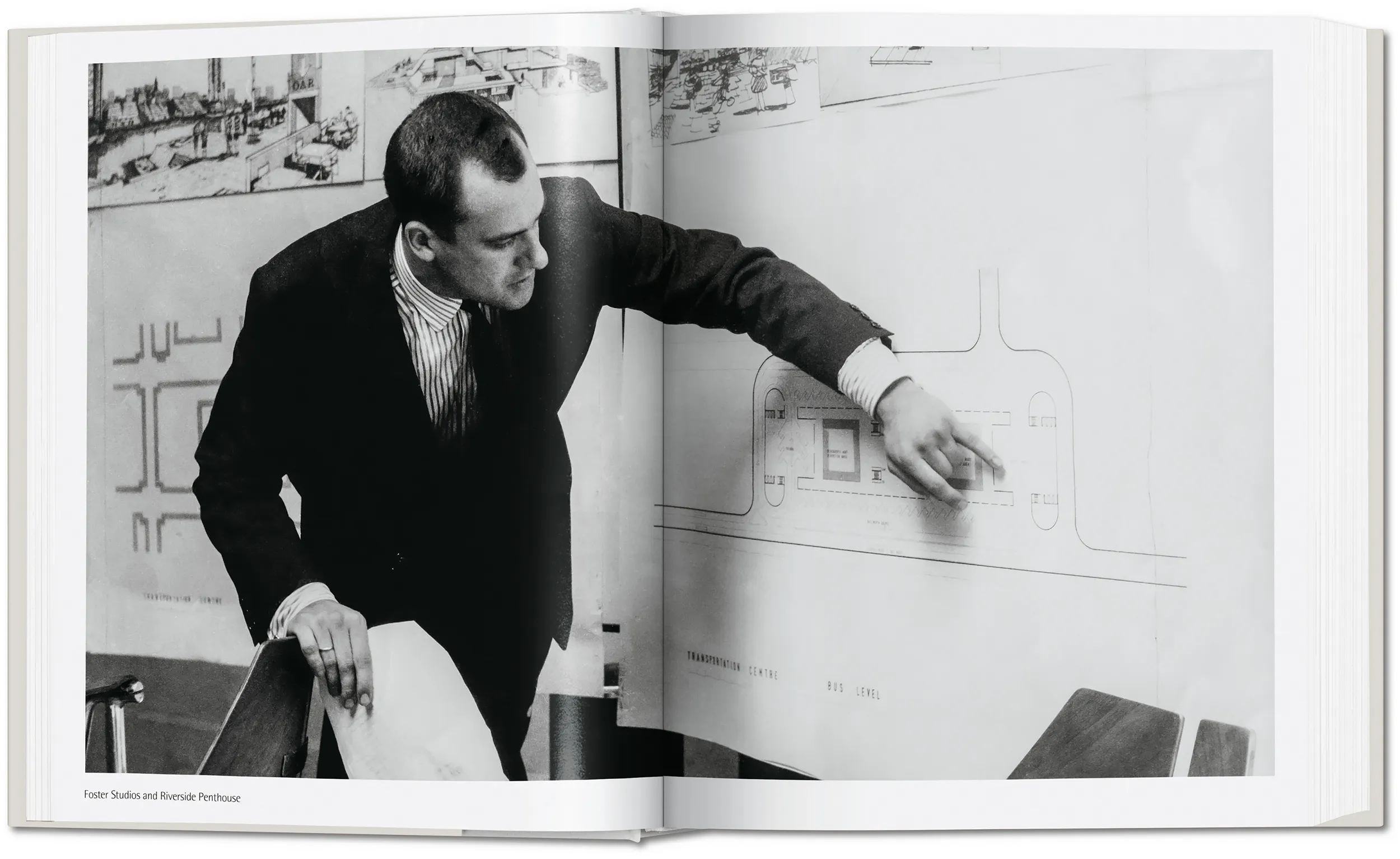
Photo: TASCHEN Verlag
Technology Without Machine Worship
One of the book’s strengths is that it does not present Foster’s proximity to technology as a mere fascination with progress. Technical and industrial imagery appears not as decorative reference, but as a model of thought. This prevents the architecture from being reduced to technocracy. It acquires a vocabulary that lies beyond formal architectural history.
This is precisely where Works differs from many architectural monographs. The book does not simply lead the reader through a gallery of completed buildings. It shows how consistently Foster translates technical systems into spatial order. Projects such as Stansted Airport and the HSBC headquarters in Hong Kong are presented less as isolated buildings than as variations on a question: how can complexity be organised so that it ultimately appears self-evident?
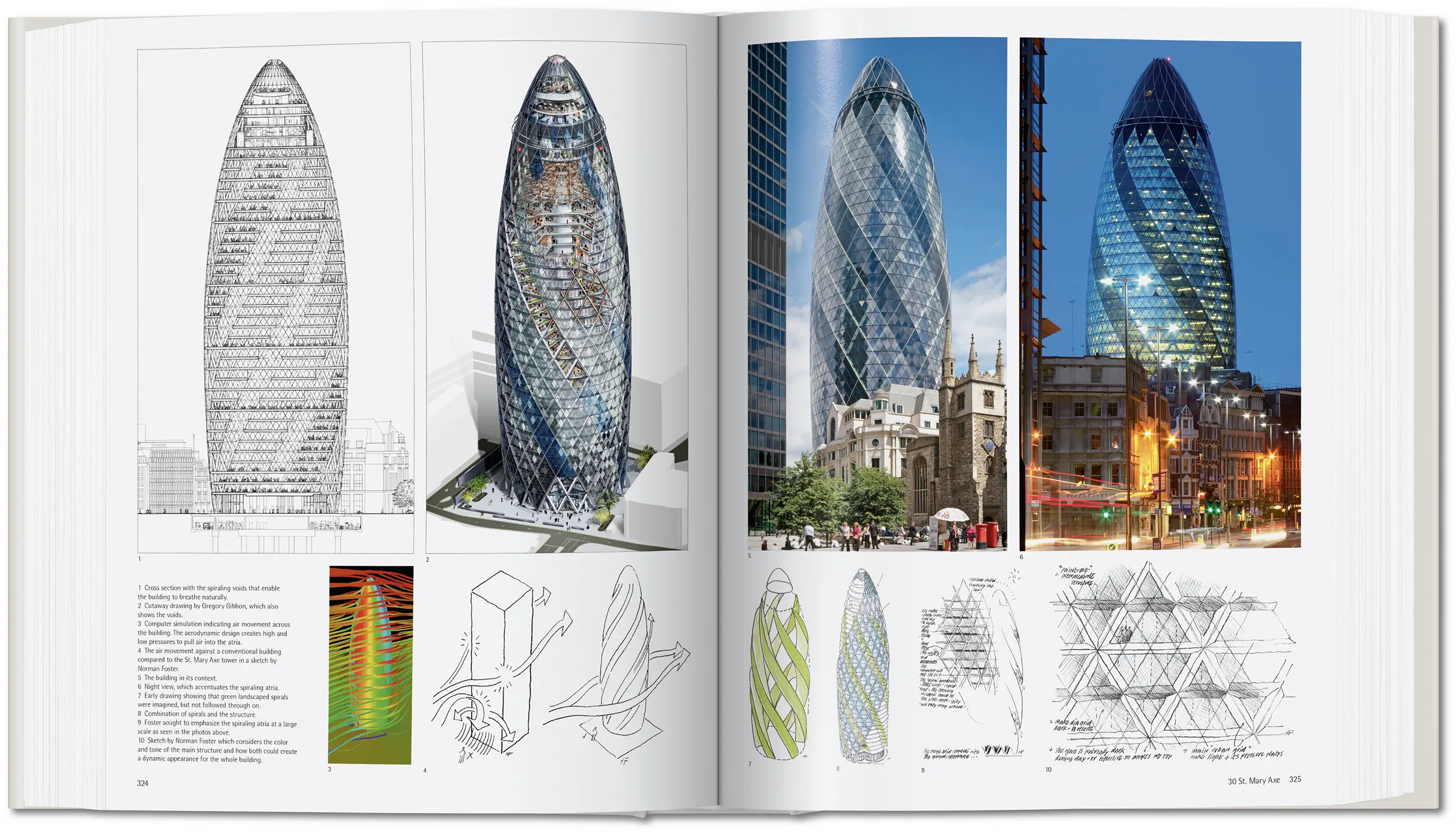
Foster’s integration of engineering, airflow and urban form.
Photo: TASCHEN Verlag
Between Public Space and Client Power
The tension within the volume becomes especially clear in its urban projects. Works such as Trafalgar Square and the Great Court of the British Museum present Foster as an architect of public permeability. Here, architecture genuinely becomes infrastructure. It organises movement, opens access and alters the perception of historic places.
Some later corporate and luxury projects feel different. Apple Park and One Beverly Hills also follow the logic of precise integration. Yet the public claim shifts. The form remains controlled, the technology remains sophisticated, but the social legibility narrows. Works documents this shift, but does not frame it as a problem. The book therefore remains closer to a catalogue raisonné than to a critical architectural history.
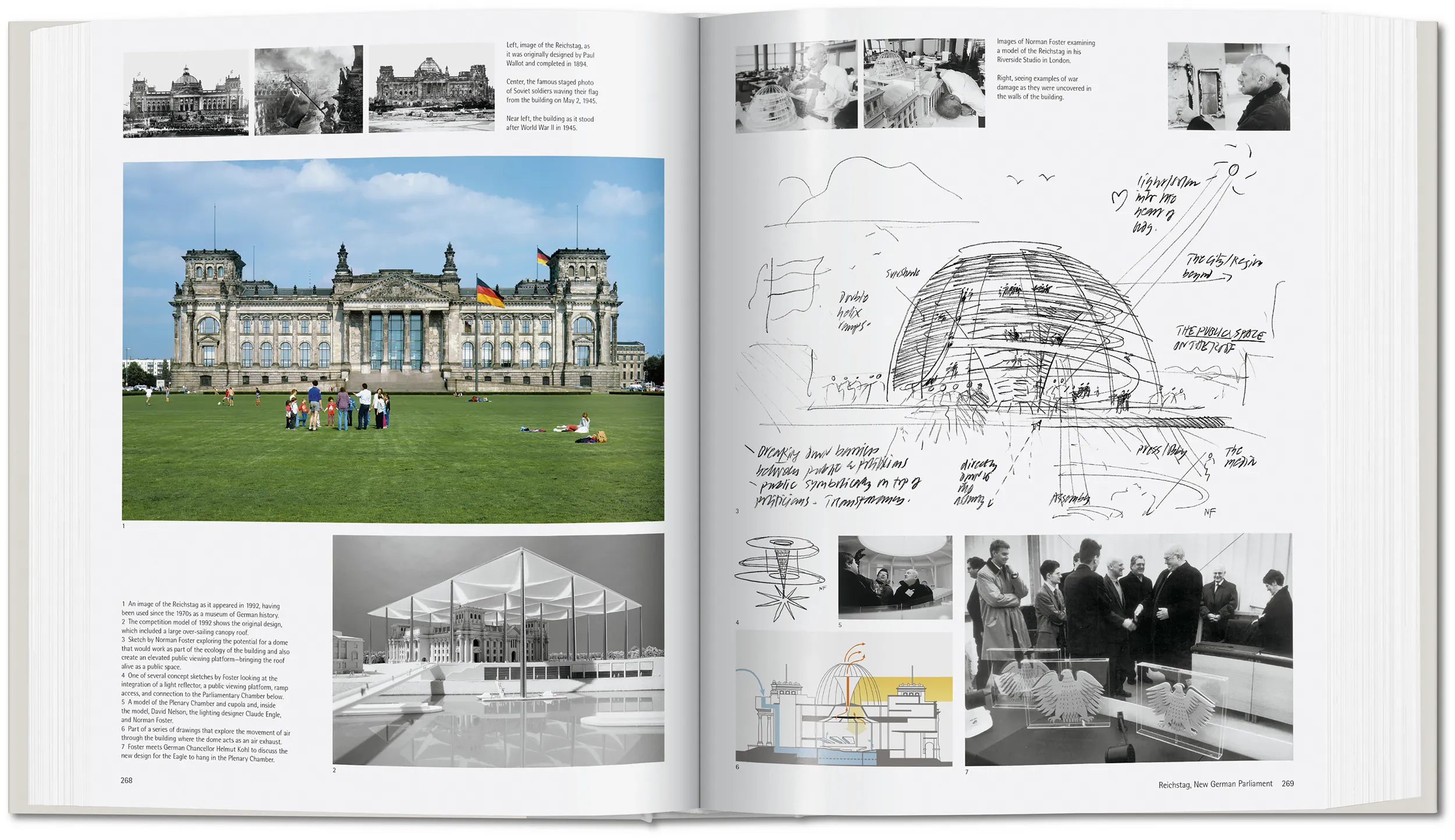
political architecture with public space.
Photo: TASCHEN Verlag
The Strength of Legibility
TASCHEN’s strength here lies in visual discipline. The book is generously designed, but not overloaded. Photographs, plans, sketches and project texts form a dense, clearly structured overview. The volume can be read chronologically, yet its real force lies in recurring motifs: light, structure and publicness.
This order is decisive. Foster is not an architect of the expressive gesture in the narrow sense. His buildings are often at their strongest when they do not display their technical intelligence, but translate it into use. The publication follows this logic. It stages the buildings not merely as images, but as the result of decisions. In doing so, it remains closer to architecture than to prestige.
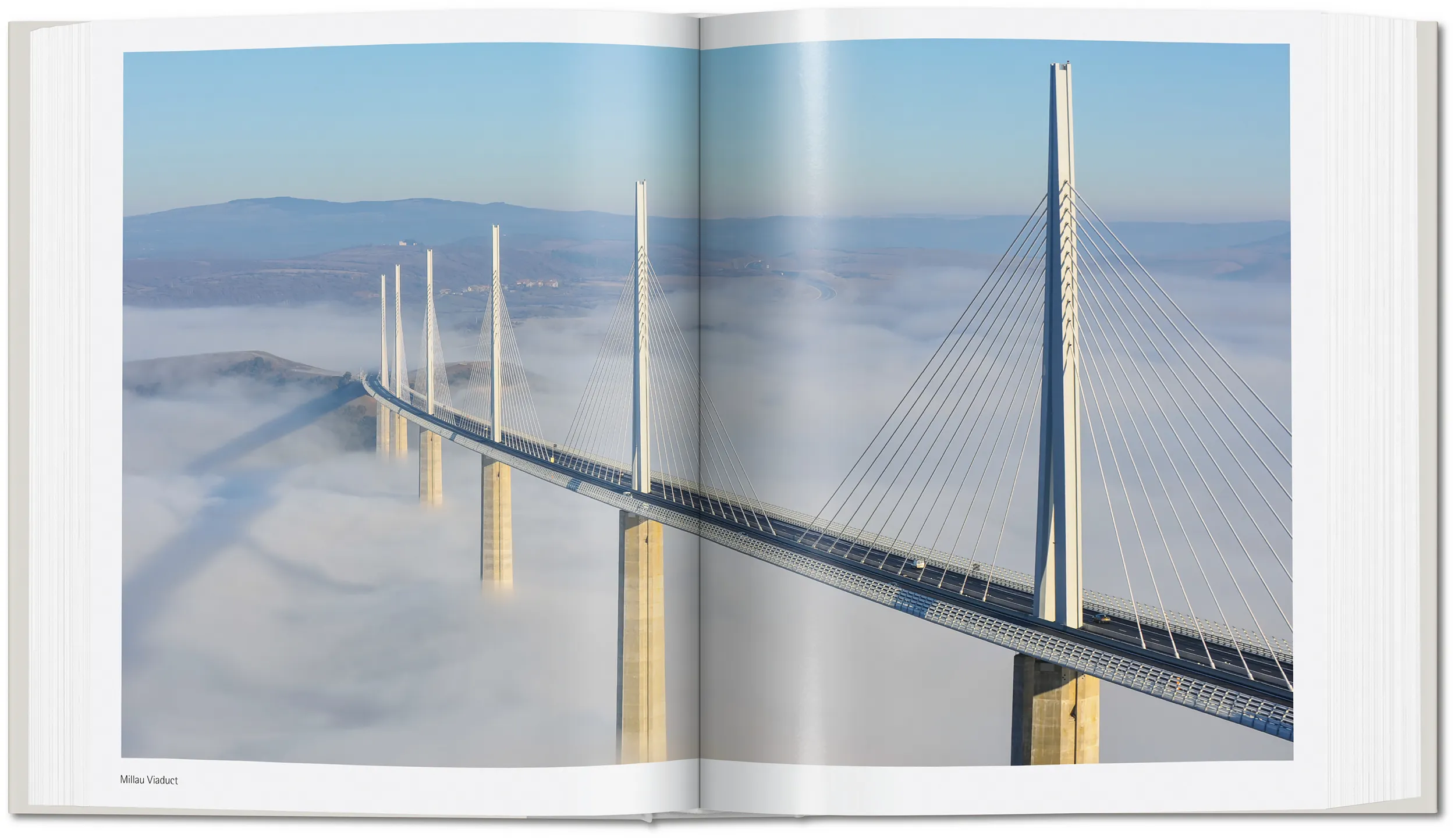
into a monumental landscape intervention.
Photo: TASCHEN Verlag
The Blind Spot of Sovereignty
The weakness of the volume lies not in a lack of information, but in its closedness. After the public projects and the later corporate buildings in particular, one might expect greater friction. Yet almost everything coheres. Early influences explain later solutions, technical decisions appear plausible, and large-scale projects are placed within a long line of integration.
With an architect of this magnitude, more distance would have been interesting. Foster + Partners works where architecture makes institutional power visible. The book shows this dimension, but analyses it only to a limited extent. It is more interested in the logic of the solution than in the ambiguity of the commission.
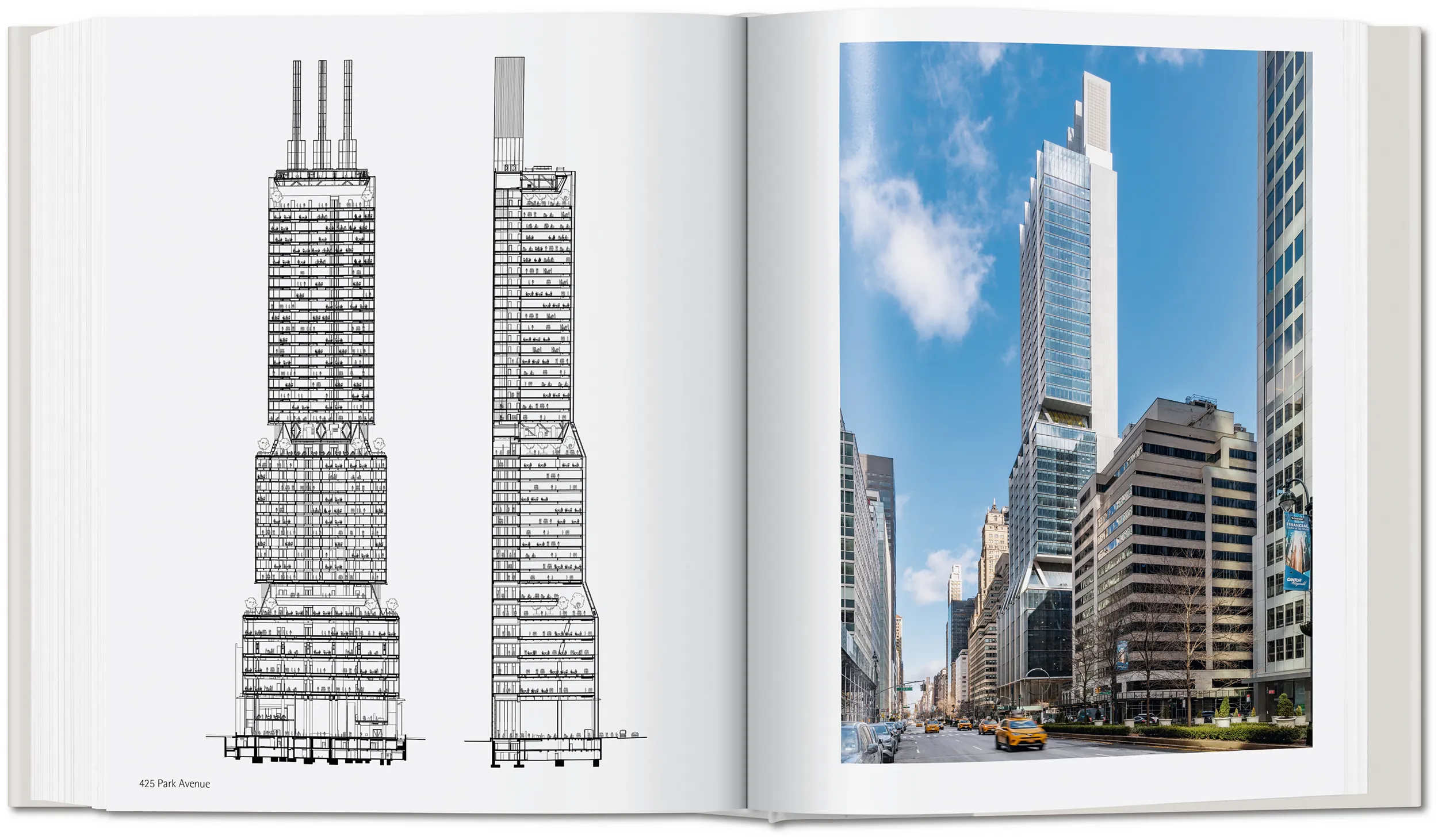
Photo: TASCHEN Verlag
A Book About Power Through Order
In the end, Norman Foster. Works is a strong book precisely because its limit is so clearly visible. The publication reveals how Foster understands architecture not as form, but as the controlled ordering of scale and use. It presents not a mere signature, but a culture of organisation.
That strength is also the critical point. The grand overview generates authority. It explains development as consequence, but leaves little room for ruptures or ideological ambiguities. Norman Foster. Works thus becomes a book about architecture on a global scale: not as individual building, but as an organised world.
Norman Foster. Works. TASCHEN, 2026, 712 Seiten, 80 €.