
Matthieu Blazy’s Chanel Cruise 2027 debut is being treated as the return of intelligence to luxury fashion. The problem is that much of it looks strangely anonymous.
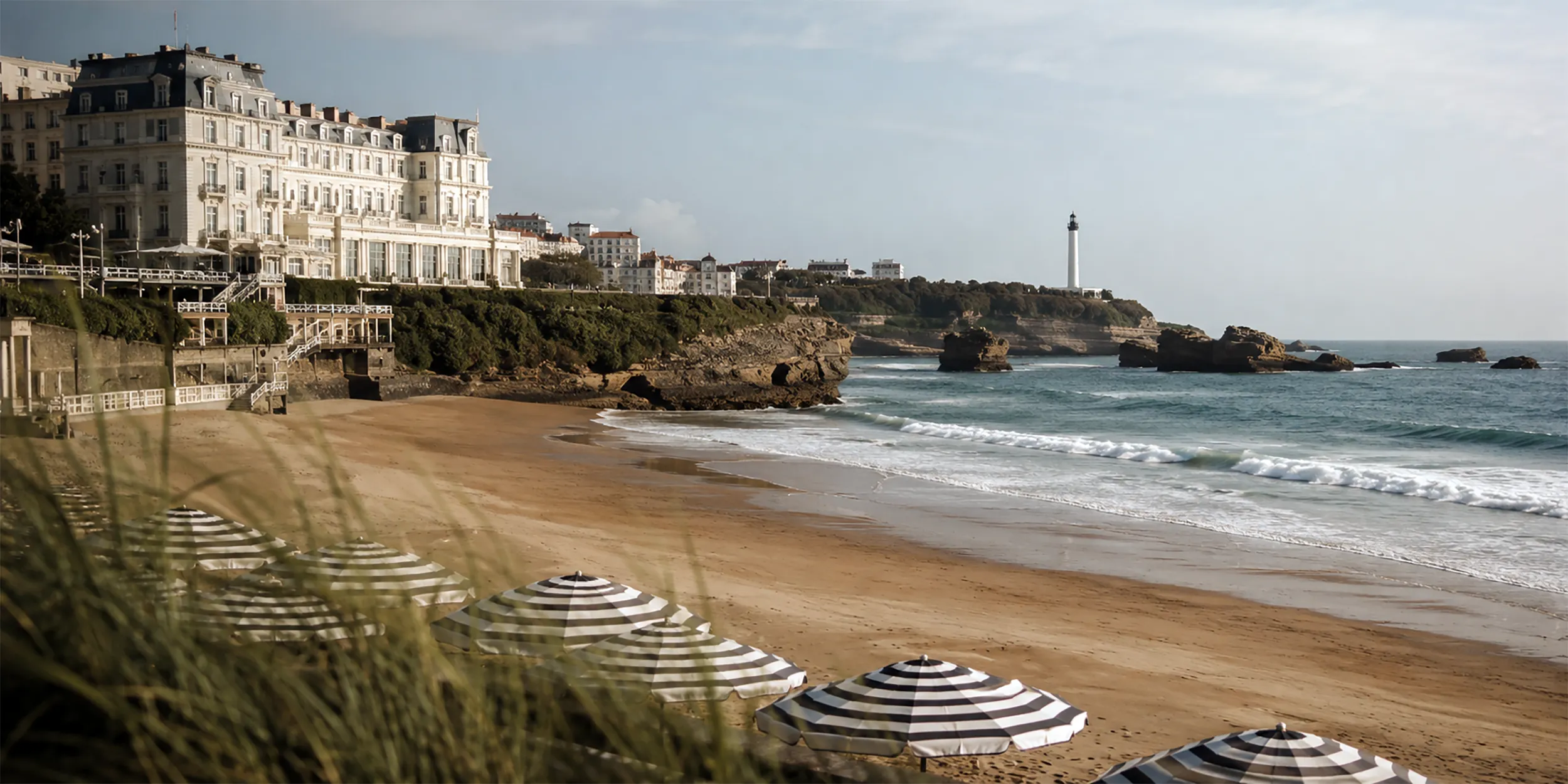
Chanel’s Cruise 2027 collection, presented in Biarritz, has already been absorbed into the machinery of approval. The language arrived almost instantly: intelligent, refined, subtle, controlled. International fashion criticism now often sounds less like judgment than synchronised confirmation.
The collection is not weak in any simple sense. The craft is there. Some silhouettes have tension. The textures, open weaves and surfaces show real technical command. But the whole thing keeps dissolving into Riviera resortwear, bourgeois tweed, maritime stripes, quiet luxury, cruise glamour and graphic minimalism. It is carefully composed. It is rarely necessary.
What it lacks is force. Chanel at its best was never merely tasteful. Karl Lagerfeld understood the house as a machine for cultural exaggeration. His strongest collections built entire worlds: excessive, artificial, arrogant, sometimes almost vulgar in their opulence. Even when they failed, they usually failed with visual authority.
Blazy’s collection often feels too resolved, too polite, too pleased with its own restraint. Great fashion rarely emerges from good manners. It needs pressure, obsession, danger. Here, sophistication too often replaces vision.
That is why the collection feels generic in its overall image. Not badly made. Not careless. But visually diffused. Some looks could, in softened form, drift easily into the world of elevated premium retail. A little Massimo Dutti resortwear, a touch of Zara-adjacent styling logic, some global quiet-luxury codes, some crafted surfaces, some controlled eccentricity. The problem is not imitation. The problem is dilution. At moments, Chanel begins to resemble its own afterimage.
The industry is euphoric anyway. Not because the clothes demand it, but because the collection represents something the industry badly wants to believe in: discipline after spectacle, restraint after logos, seriousness after algorithmic noise. Blazy delivers the posture of intelligence. That seems to be enough.
But in fashion criticism, “intelligent” has become a suspicious word. Too often it no longer means visually powerful. It means safely approved. The relationship between luxury brands, magazines, influencers and platforms has become too intimate for real distance. Access replaces judgment. Proximity replaces risk. Almost nobody benefits from calling a major luxury house mediocre.
Instagram has made this worse. Every major collection now arrives as an event before anyone has properly looked at it. Everything is important, elevated, refined, visionary. Judgment collapses under its own promotional vocabulary. If every show is historic, none of them are.
This explains the gap between official fashion language and ordinary perception. Many viewers will not see a new era in this Chanel collection. They will see expensive competence. Not bad fashion, but fashion without urgency. Tasteful clothes in search of a reason to matter.
That is the real crisis of luxury fashion. Not the absence of quality, but the loss of visual authority. Once luxury merely looks well made, it starts competing with its own copies. And at that point, taste is no longer enough.