


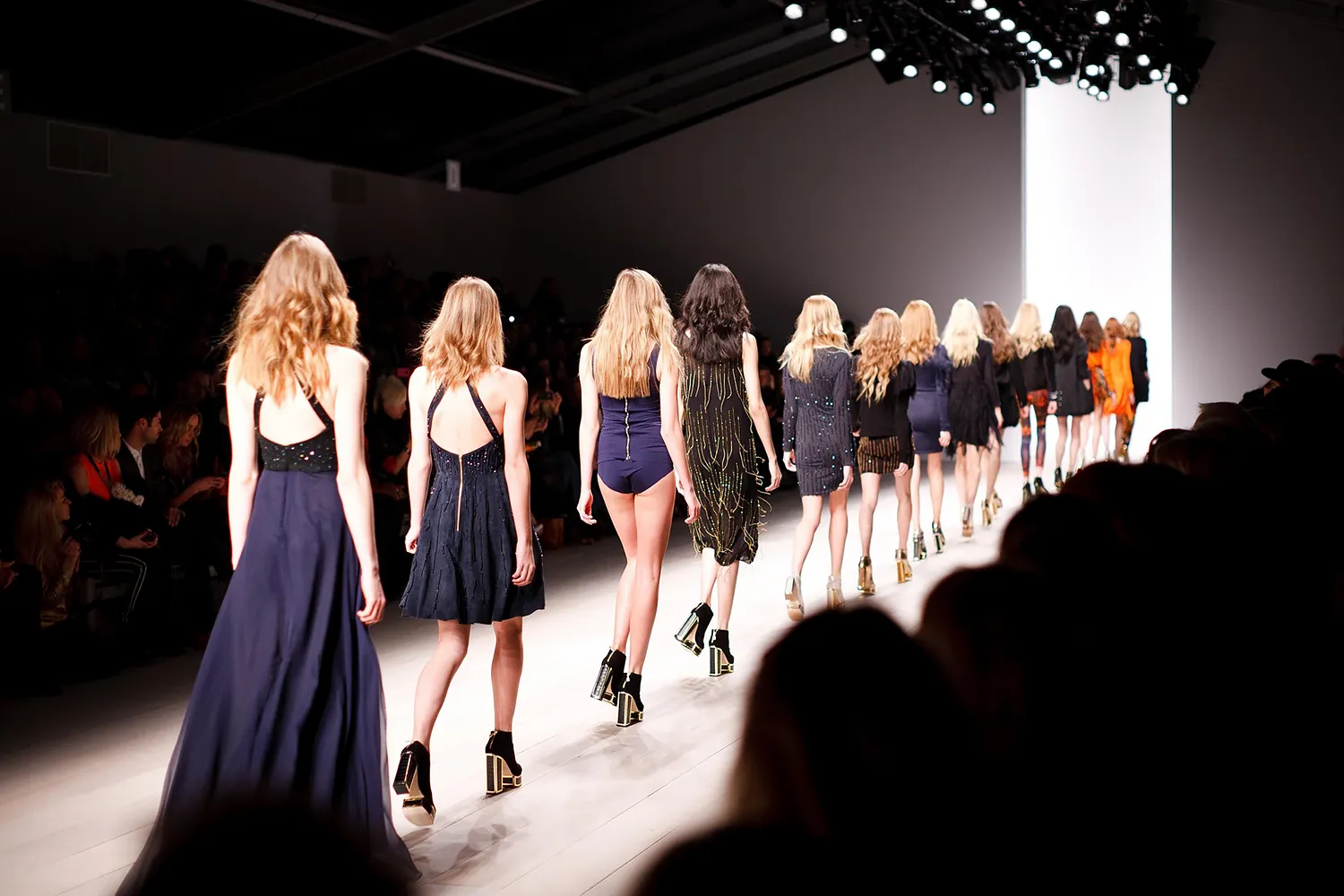

The major fashion houses are changing their creative directors at ever shorter intervals. What appears to be instability follows a clear logic. Design today is less a matter of authorship than a strategic instrument.
Design as a Controllable Variable
For a long time, the creative director was considered the artistic center of a house. This notion is still widespread, but outdated. In the major luxury conglomerates, design now functions as a controllable variable within a complex brand portfolio. When revenue or attention stagnates, it is not the structure that is altered, but the visible apex that is replaced. The creative director is the most public adjustment screw. A change signals movement to investors, the press, and customers. In this way, aesthetic questions become economically charged. Fashion is thus understood less as cultural continuity than as a tactical field of brand management.
The Calculated Short Tenure
Short tenures are no coincidence, but the result of precise calculation. Internally, conglomerates plan with three to five years per designer. After only a few collections, it can be measured whether a new look increases sales, visibility, or desirability. If the effect fails to materialize, a replacement follows. Accelerated production cycles intensify this pressure: pre-collections, capsule lines, and continuous drops generate a stream of products that must function immediately. The creative director thus becomes a permanent supplier of visual renewal. Wear is systemically anticipated. Continuity is valued only as long as it generates returns.
Brand Over Signature
In earlier decades, there were strong authorships: Lagerfeld at Chanel, Armani in his own house, Saint Laurent as namesake and architect of style. Today, the brand stands above the individual. It exists as a global asset with clearly defined codes, target groups, and price segments. The creative director may vary, but not destabilize. His task is to re-rhythmize what is already known. Even prominent designers must fit into this framework. Their individual signature is desired as long as it can be translated into the brand image. Originality thus becomes a controlled resource rather than an end in itself.
The Rotating Designer Pool
After a departure, disappearance rarely follows. Much more often, designers move between the same houses. A closed system of roughly twenty global brands repeatedly recruits from the same circle. Those who leave one house often reappear at another — with an adapted aesthetic. Founding an independent label is economically risky for many, as they lack the necessary distribution and capital. Instead, consulting roles, capsule collections, or temporary projects emerge. Careers thus resemble those of highly specialized managers rather than authors. Reputation is carried from house to house and no longer built over decades in a single place.
Fashion as a Quarterly Economy
With the financialization of the luxury industry, the sense of time has also shifted. Collections no longer serve only aesthetic development, but the permanent activation of global markets. Each season thus becomes an indicator of brand energy. Within this rhythm, the creative director appears as a temporary project leader whose task lies in acceleration. In this way, fashion paradoxically returns to its beginnings: not as an autonomous field of art, but as a service within the framework of a larger business. Only today it is not the couturier but portfolio management that determines direction. Fashion loses its long-standing authorities and gains rotating strategists. The system demands movement and thereby produces interchangeability.
Comments