




Once progress has lost its direction, all that remains is motion. Chips get faster, devices thinner, numbers bigger – and yet, everything stands still. What was once called invention has become performance: precise, silent, perfect – but soulless.
Apple and the End of Progress
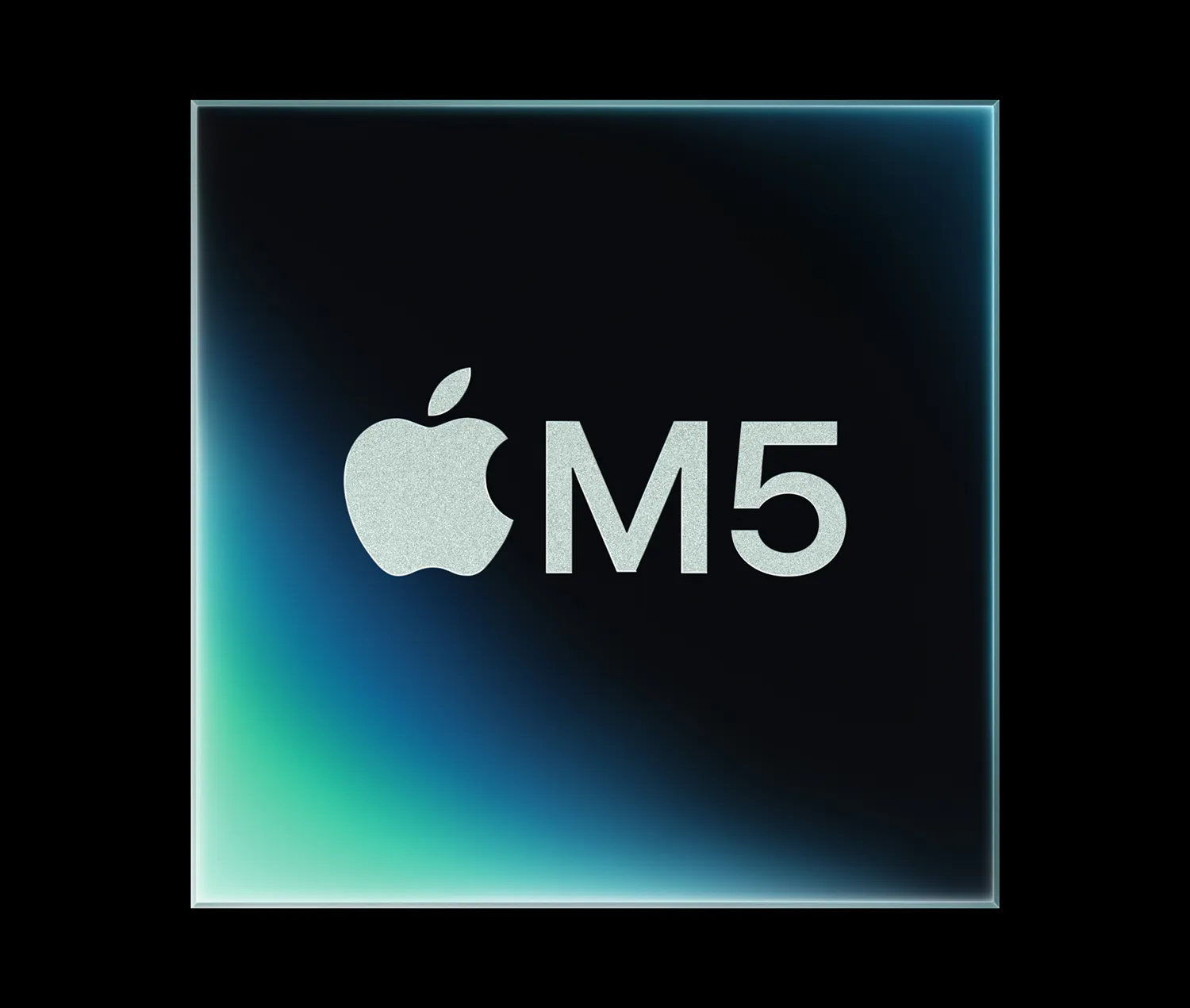
Apple has delivered once more: a new chip, new devices, and new superlatives. The M5 is supposed to mark the so-called revolution that, according to Apple, represents “the next big leap in AI performance.” In truth, though, the M5 stands for something else entirely – the full automation of progress. Every improvement can be measured, yet none of it means anything. Four times the GPU performance, thirty percent more memory bandwidth, ten percent more pixels – it’s the mathematization of excitement, stripped of curiosity. Innovation has turned into a ritual, a continued simulation of novelty in an oversaturated market.
© Apple Inc., 2025.
When Perfection Becomes a Barrier
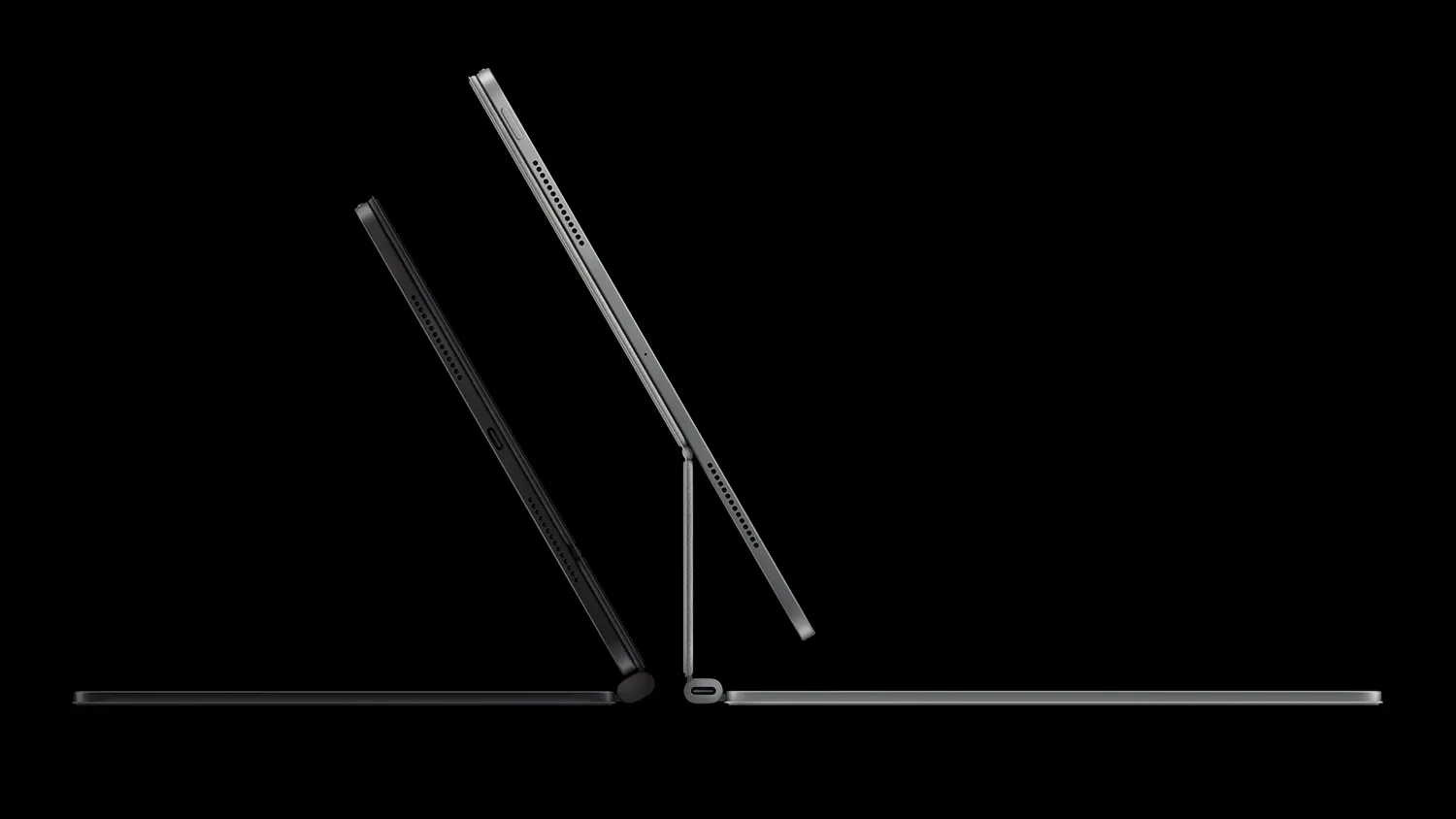
The devices look like their predecessors – just thinner. The 13-inch iPad Pro is now a mere 5.1 millimeters thick – a technical triumph that also serves as a symbol of aesthetic paralysis. Apple has refined its design so far that evolution itself seems impossible. The M5, with its neural accelerators built into every GPU core, is meant to embody the future of AI – but in reality, it represents the future of optimization. A chip that rationalizes existence without changing it. Here, progress literally becomes thinner, smoother, quieter. One admires the precision but no longer feels a vision. Even the biggest numbers – 3.5× faster, 6.7× faster rendering, 10× more cores – tell us nothing about the people who are meant to use them.
Users as Loyal Extras
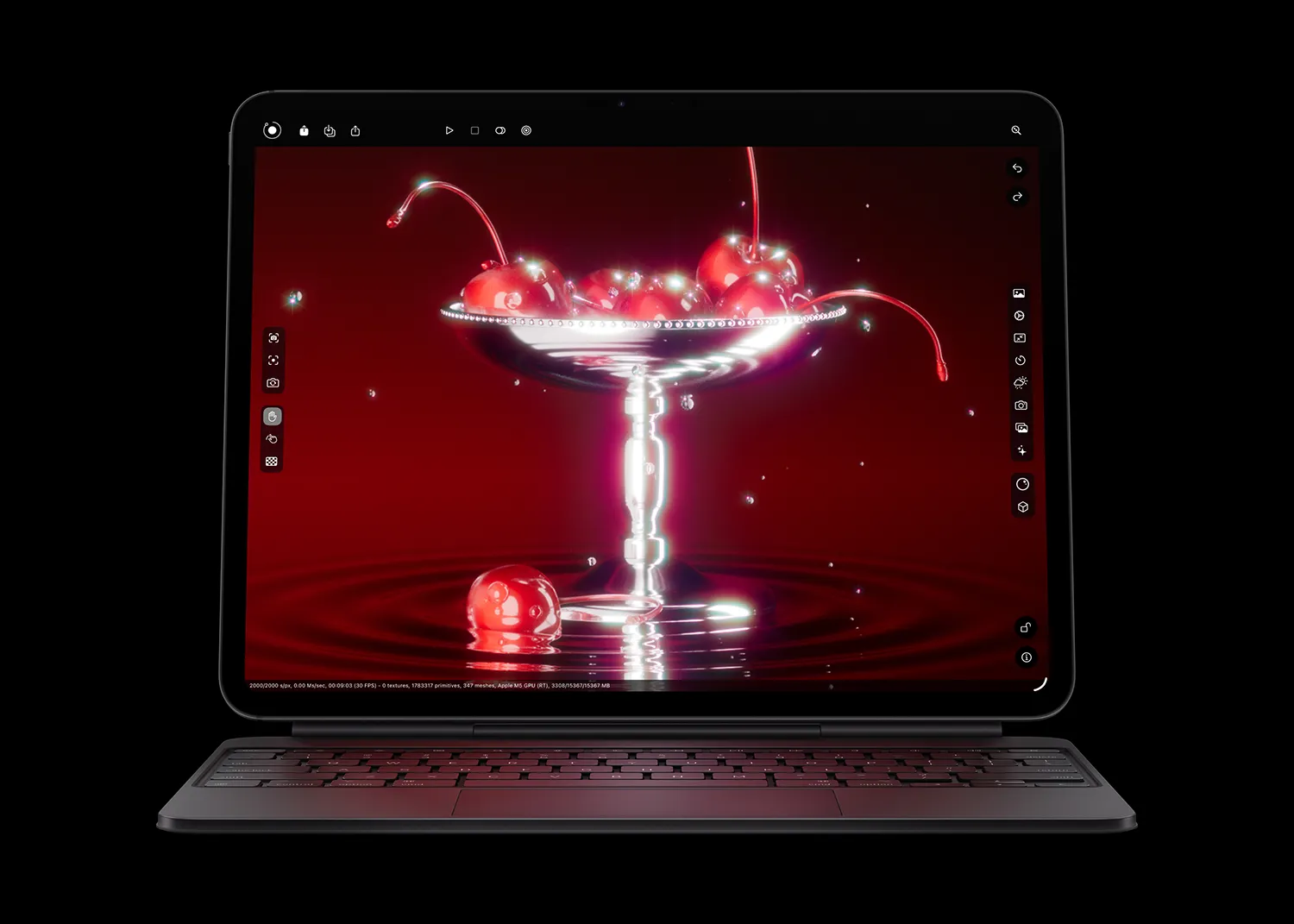
Every launch follows the same ritual: PR copy is quoted, YouTube hosts recite benchmarks, and the audience applauds in sync with the keynote. Numbers replace arguments. Critique gives way to excitement over loading speeds. It is the era of passive participation. We consume the idea of progress, not progress itself. When Apple claims that the new MacBook Pro “handles AI workloads up to 3.5 times better,” it conveys no information – it’s liturgical language designed to generate consent. The consumer plays the believer, mistaking numbers for miracles.
© Apple Inc., 2025.
The Brand as a Substitute Religion
Apple doesn’t just sell products – it sells a feeling of moral and aesthetic superiority. Every presentation feels like a mass, every stage like a glass altar. The company has realized that people don’t seek devices; they seek meaning. So it dresses technology in ideology – sustainability, diversity, AI ethics. The casing is made of “100 percent recycled aluminum,” a number that feels like penance in the age of consumption. Buyers want to believe their purchase is an act of virtue – Apple gives them the fitting gospel. In this substitute religion, Johny Srouji is the high priest of silicon, and every press release becomes a revelation.
AI as the Myth of the 21st Century
What press releases call “the next big leap in AI” is, at its core, a semantic trick. “Neural Accelerator,” “16-core Neural Engine,” “Apple Intelligence” — all these terms sound like research, but they are marketing. Here, AI is not a system of understanding but a sales argument that morally reinforces its own sense of superiority. To invoke AI is to claim progress without having to explain it. These devices do not generate intelligence; they generate dependence. They do not learn — we learn them. We train the machines to mirror our expectations and mistake the echo for insight.
© Apple Inc., 2025.
What Remains When Nothing Is New
Perhaps true innovation lies in Apple’s ability to turn progress into routine. Every year follows the same choreography: chip, numbers, quotes, applause. The M5 — the supposed pinnacle of technological evolution — is ultimately proof of a culture running on empty, still thinking in gigabytes and nits while curiosity quietly slips away. Innovation has become the aesthetics of repetition. Apple has perfected progress by abolishing it — and the world applauds without noticing. Thus ends modernity — not with a breakthrough, but with the silent waiting for a software update.


Comments